
Can You Get Teeth Whitening If You Have Sensitive Teeth?
Is teeth whitening safe for sensitive teeth? In this dbwhitening blog article, discover how sensitivity works, what precautions to take, and how professional whitening can be adapted for sensitive smiles.
Understanding tooth sensitivity
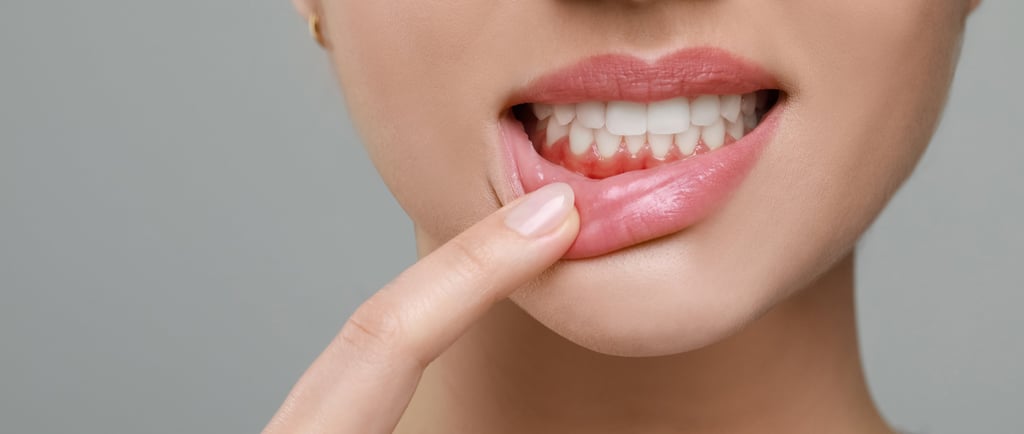
Tooth sensitivity is a common concern for many people considering teeth whitening. It usually occurs when the enamel is thinner or when dentin is more exposed, allowing external stimuli to reach the nerves more easily.
At dbwhitening, sensitivity is carefully assessed before any whitening procedure.
Does whitening worsen sensitivity?
Whitening products can temporarily increase sensitivity, but this effect is usually short-lived. Professional whitening treatments are designed to minimize discomfort while delivering effective results.
When properly supervised, whitening does not damage teeth or cause permanent sensitivity.
How professional whitening adapts to sensitive teeth
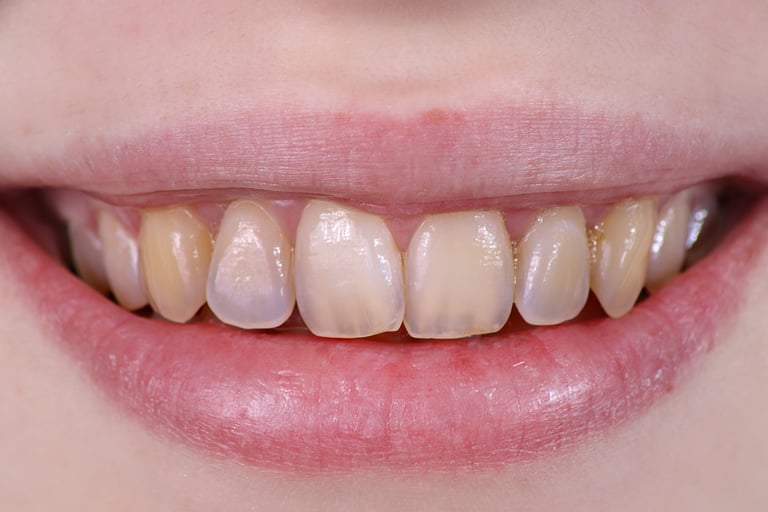
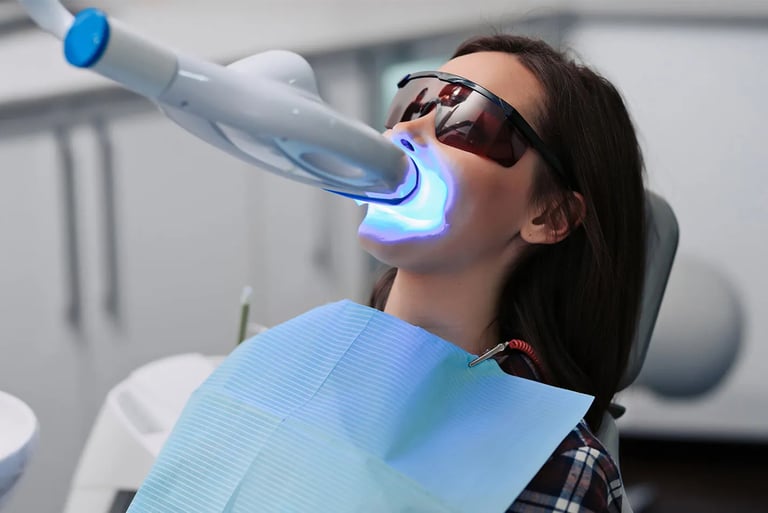
Professional whitening protocols can be adjusted for sensitive teeth by using lower concentrations, shorter sessions, and protective gels.
At dbwhitening, treatments are personalized to ensure both safety and comfort without compromising results.
Tips to reduce sensitivity after whitening
Using desensitizing toothpaste, avoiding extreme temperatures, and following post-treatment instructions help reduce discomfort.
Good oral hygiene and regular dental check-ups also play a key role in managing sensitivity long-term.
Conclusion
Having sensitive teeth does not mean you must give up on whitening. With the right approach and professional care, it is possible to achieve a brighter smile safely.
Dbwhitening ensures that every whitening treatment respects tooth health while delivering visible, controlled results.
Adress
Rte de Saint-Julien 3A, 1227 Genève, Suisse


© 2026 - Debo beauty


Contact Info
+41 77 232 34 35
contact@debobeauty.ch